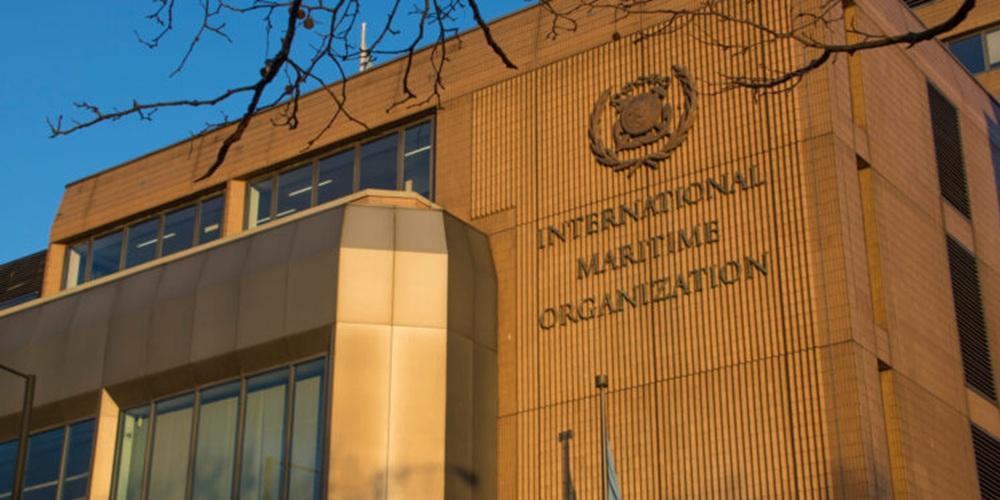
A pilot study published by the International Maritime Organization (IMO) maps current maritime climate finance flows and identifies opportunities to mobilize investment and improve access to finance for the maritime energy transition.
Developed under IMO's GHG-SMART Programme, the report, Maritime Climate Finance Landscape: A pilot study of flows, gaps, and opportunities, aims to improve access to information on maritime climate finance, particularly for small island developing States (SIDS) and least developed countries (LDCs), in line with the 2023 IMO GHG Strategy.
Maritime energy transition would require coordinated investment in decarbonization alongside safe and climate-resilient maritime infrastructure and operations. Building on existing sustainable finance taxonomies and policies, the report pilots a classification framework covering mitigation and adaptation, laying the foundation for future interoperable maritime climate finance taxonomies to support access to finance.
Applying that pilot framework, the study assesses climate finance commitments into for the maritime sector. Selected findings include:
Scaling up access to finance
USD 10.5 billion was tracked in direct maritime climate finance flows, representing 0.14% of global climate finance and highlighting potential to expand access.
Expanding and coordinating investment
Public and private finance contributed comparable shares, largely concentrated in ports and alternative fuels, highlighting opportunities to diversify and strengthen coordination across interdependent segments.
Aligning financing modalities
Market-rate debt dominated maritime climate finance, particularly in mature markets and alternative fuel segments, while SIDS and LDCs relied mainly on grants and concessional debt, with limited participation in these segments, suggesting scope to better align financing sources and instruments with investment needs and diversify access through blended finance and risk-sharing where viable.
Integrating climate resilience
SIDS and LDCs received 68% of tracked maritime adaptation finance, largely for ports, highlighting opportunities to integrate resilience alongside mitigation investments.
The report recommends strengthening classification and interoperability, scaling up targeted finance through coordinated investment-ready project pipelines, alongside improved monitoring and reporting. With a focus on SIDS and LDCs, the findings provide an evidence base to inform investment planning, improve access to finance and support an inclusive, safe and climate-resilient maritime energy transition.
Download the full report: Maritime Climate Finance Landscape: A pilot study of flows, gaps, and opportunities
Robban Assafina is now on WhatsApp channel. Click Here