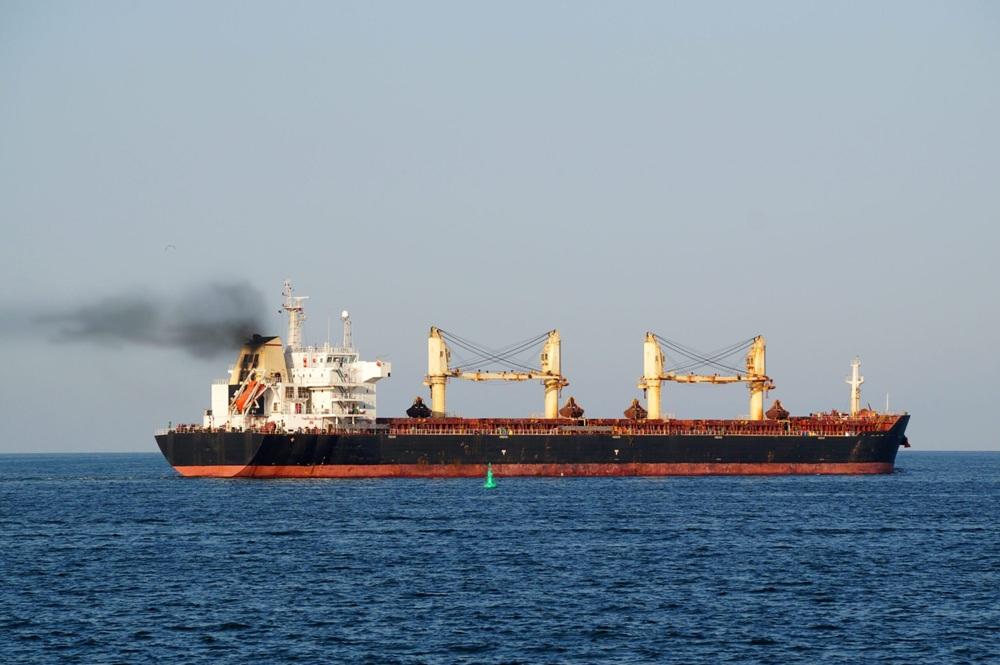
Britain has launched a consultation on new maritime fuel regulations that would require thousands of ships calling at UK ports to use and adopt alternative fuels and energy sources from 2030.
As currently proposed, the fuel regulation would require ships to reduce the greenhouse gas (GHG) emissions intensity of the fuel and energy they use over time, referred to as a GHG emissions intensity requirement.
It would set a limit on the GHG intensity of fuels used by ships in scope, including at berth in UK ports, with the limit tightening over time.
Under the government’s preferred approach, the UK maritime GHG emissions intensity requirement would be applied initially to ships of 5,000 gross tonnage and above, while keeping the future treatment of ships between 400 and 5,000 gross tonnage under review.
Vessels in the lower gross tonnage range account for a substantial proportion of UK domestic maritime emissions (around 31% in 2019 according to Department for Transport modelling) and play an important role in meeting future decarbonisation objectives.
However, the government said it does not consider it appropriate to make such a commitment at this stage while their treatment under international frameworks, in particular FuelEU Maritime, remains uncertain, given the potential implications for UK competitiveness.
The government will therefore keep the future treatment of vessels between 400 and 5,000 gross tonnage under review.
The proposed framework would regulate all energy used on domestic voyages between UK ports, 50% of energy used on international voyages to and from the UK, and energy consumed by covered ships while at berth in British ports.
The proposed regulation is estimated to cover around 5,000 ships initially, based on the number of ships of 5,000 gross tonnage and above that called at the UK in 2019. Most of these ships (99%) undertook at least one international journey, with 97% calling at EU ports.
In the future, if the threshold were to lower to ships of 400 gross tonnage and above, this could be expected to bring a further 2,400 ships into the scope of the proposed regulation. Again, most of these ships (90%) also call at EU ports, based on 2019 data.
The consultation does not cover detailed technical implementation arrangements, such as certification systems, fuel sustainability criteria, verification arrangements, exemptions or other operational provisions. These matters, the government said, will be developed further as work progresses towards implementation.
The consultation, launched by the Department for Transport, seeks industry views on the design and scope of a future regulatory framework intended to support the transition to lower-emission fuels and energy sources.
It also considers the wider conditions needed to enable that transition, including fuel availability, port and bunkering infrastructure, technology development and port readiness.
The consultation closes on February 22, 2027.
“We welcome the government moving forward with this consultation,” a UK Chamber of Shipping spokesperson said. “Greater long-term certainty can help unlock the investment needed to decarbonise shipping, but regulation needs to develop alongside the fuels, infrastructure and technology that operators will need. Any future UK framework must be practical, support investment and maintain the international competitiveness of UK shipping. We will now work closely with our members to examine the proposals and provide detailed evidence to government.”
Robban Assafina is now on WhatsApp channel. Click Here