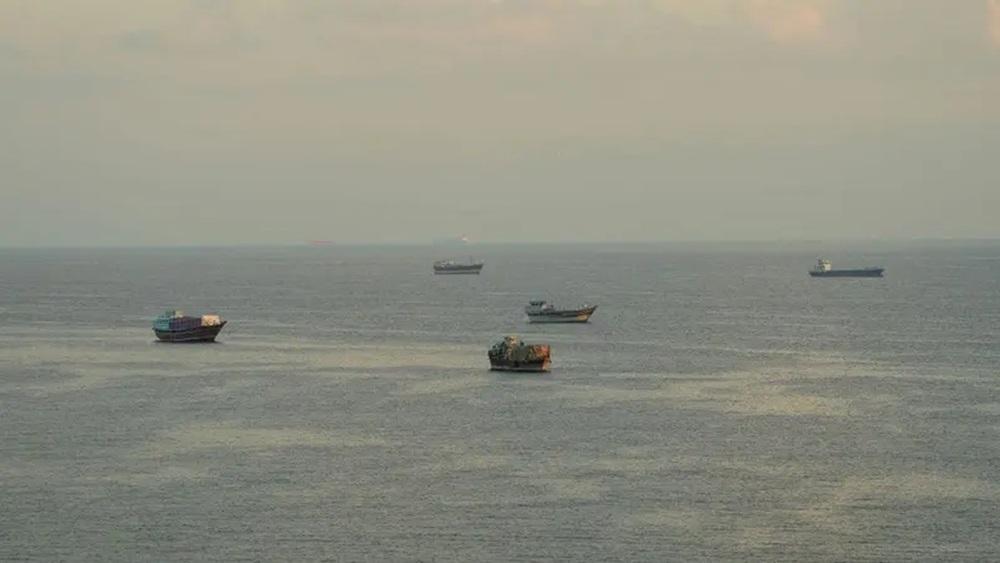
A tanker transiting the Strait of Hormuz was temporarily disabled after attackers attached explosive devices to its hull, according to an updated security warning from the United Kingdom Maritime Trade Operations (UKMTO).
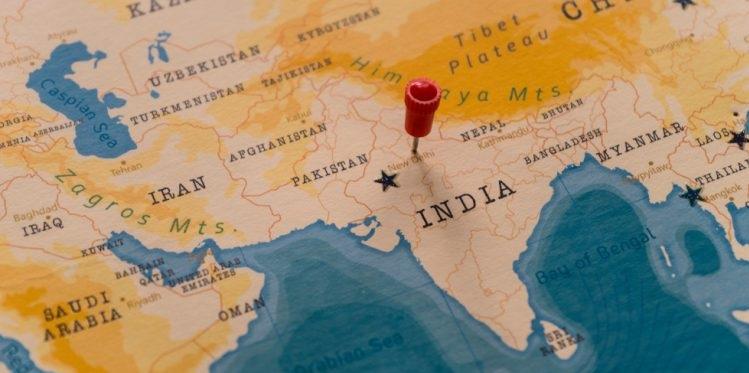
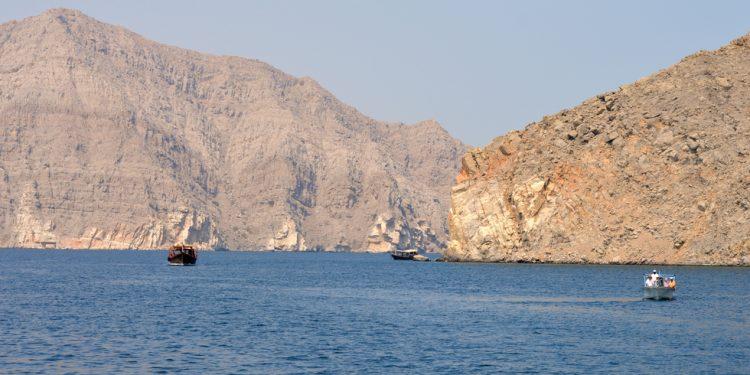
In its October 30 update, UKMTO said a verified report confirmed that a small boat approached the tanker’s port side and attached two explosive devices to its hull above the waterline. The incident occurred on October 29, about 25 nautical miles northeast of Khasab, Oman, as the tanker was conducting an outbound transit of the strait.The subsequent explosions caused a fire in the engine room, temporarily disabling the vessel. However, the fire was subsequently extinguished, and the tanker was able to continue toward its next port of call.
UKMTO confirmed that all crew members were safe and no environmental impact had been reported. Maritime security firm Vanguard Tech has also identified the tanker as the Louise 1.
Separate incidents reported near Khasab
The latest attack comes amid several maritime security incidents reported in the Strait of Hormuz on October 29. In a separate warning, UKMTO reported that a tanker conducting an outbound transit had been struck by an unidentified projectile. No crew injuries or environmental impact were reported at the time.
Another incident, initially reported as a vessel on fire approximately 9 nautical miles north of Khasab, was subsequently clarified by UKMTO as involving a dhow. The vessel reportedly caught fire and sank, while its crew was safely evacuated.
As previously reported, Iran’s Islamic Revolutionary Guard Corps (IRGC) also claimed that three tankers had struck naval mines while attempting to transit an unauthorized route through the strait.
The latest UKMTO findings highlight the threat posed by small craft capable of approaching commercial vessels and placing explosive devices directly on their hulls.
Unlike projectile attacks, such incidents involve attackers gaining close proximity to a vessel, raising concerns over early detection, effective watchkeeping and the ability of crews to respond to suspicious approaches.
The resulting engine-room fire and temporary loss of propulsion also underline the potential operational consequences of attacks targeting critical machinery spaces.
UKMTO has advised vessels transiting the area to exercise caution and report suspicious activity while authorities continue investigating the incident.
According to Diaplous’ Middle East threat assessment, as of 29 October, maritime security conditions remain severe across key regional chokepoints. Citing the Joint Maritime Information Center (JMIC), Diaplous noted that the threat level remains SEVERE in the Strait of Hormuz and SUBSTANTIAL in the Arabian Gulf, Bab el-Mandeb, southern Red Sea and Gulf of Aden, with 156 regional vessel incidents recorded since March 1, including incidents beyond confirmed attacks.
Recent projectile strikes against tankers, alongside reports of vessel fires, highlight the continuing risks to commercial shipping. Meanwhile, restrictions on vessel movements through the Strait of Hormuz, Iranian enforcement measures and new U.S. blockade guidance have increased operational uncertainty, potential delays and sanctions exposure.
Diaplous also highlighted growing environmental risks following an oil spill off the UAE coast, underscoring the wider consequences of maritime incidents for coastal infrastructure and port operations.
Robban Assafina is now on WhatsApp channel. Click Here
UKMTO WARNING 187-26 UPDATE 001 Click here to view the full product⤵️ https://t.co/ashHdPmfaI #MaritimeSecurity #MarSec https://t.co/PO5X3LlNCO
— UKMTO Operations Centre (@UK_MTO) October 30, 2026