






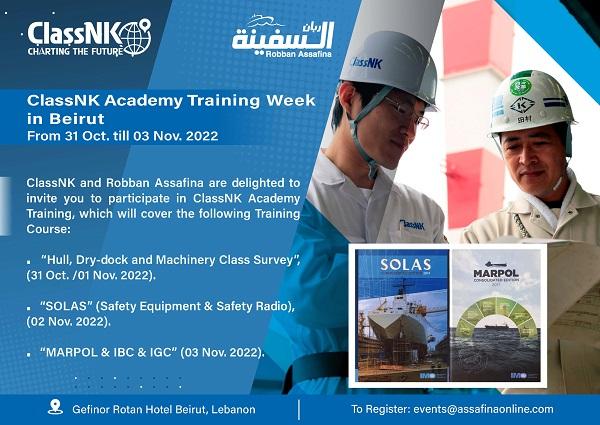
Background:
The International Convention for the Prevention of Pollution from Ships (MARPOL) is the main international convention covering prevention of pollution of the marine environment by ships from operational or accidental causes.
The MARPOL Convention was adopted on 2 November 1973 at IMO. The Protocol of 1978 was adopted in response to a spate of tanker accidents in 1976-1977. As the 1973 MARPOL Convention had not yet entered into force, the 1978 MARPOL Protocol absorbed the parent Convention. The combined instrument entered into force on 2 October 1983. In 1997, a Protocol was adopted to amend the Convention and a new Annex VI was added which entered into force on 19 May 2005. MARPOL has been updated by amendments through the years.
The Convention includes regulations aimed at preventing and minimizing pollution from ships - both accidental pollution and that from routine operations - and currently includes six technical Annexes. Special Areas with strict controls on operational discharges are included in most Annexes.
The International Code for the Construction and Equipment of Ships carrying Dangerous Chemicals in Bulk (IBC Code) provides an international standard for the safe carriage by sea of dangerous and noxious liquid chemicals in bulk. To minimize the risks to ships, their crews and the environment, the Code prescribes the design and construction standards of ships and the equipment they should carry, with due regard to the nature of the products involved. In December 1985, by resolution MEPC.19(22), the Code was extended to cover marine pollution aspects and applies to ships built after 1 July 1986.
The International Code for the Construction and Equipment of Ships Carrying Liquefied Gases in Bulk (IGC Code) applies to gas carriers constructed on or after1 July 1986. Gas carriers constructed before that date should comply with the requirements of the Code for the Construction and Equipment of Ships Carrying Liquefied Gases in Bulk or the Code for Existing Ships Carrying Liquefied Gases in Bulk.
The purposes of these codes is to provide an international standard for the safe transport by sea in bulk of liquefied gases and certain other substances, by prescribing the design and construction standards of ships involved in such transport and the equipment they should carry so as to minimize the risk to the ship, its crew and to the environment, having regard to the nature of the products involved.
Course Objectives:
To understand and gain good knowledge about MARPOL, IBC & IGC Codes Requirements onboard ships.
Benefits of Attending:
- Gain the necessary information and Understanding the background and principles of MARPOL, IBC & IGC Codes.
- Ability to apply a safe, confident and professional approach to such international requirements.
- Being able to provide meaningful and targeted training in environmental awareness and MARPOL compliance.
- Delivered by experts in the areas of safety management, auditing, Flag State. Class, and Port State Control in an engaging interactive style.
Who should attend?
- Ship Managers, Ship-Owners, Marine and Technical Superintendents, Marine Surveyors and Auditors, Lawyers and Insurance Companies.
- Everyone whose duties involve matters of marine surveys and certifications.
- Masters and Ships’ Officers.
- Those who need to understand the MARPOL, IBC & IGC Codes.
- Ideal for the professional looking to update their knowledge or the novice wishing to learn about this subject for the first time.
To participate, please send email to:
events@assafinaonline.com
OR call us at: +961 5 815835