
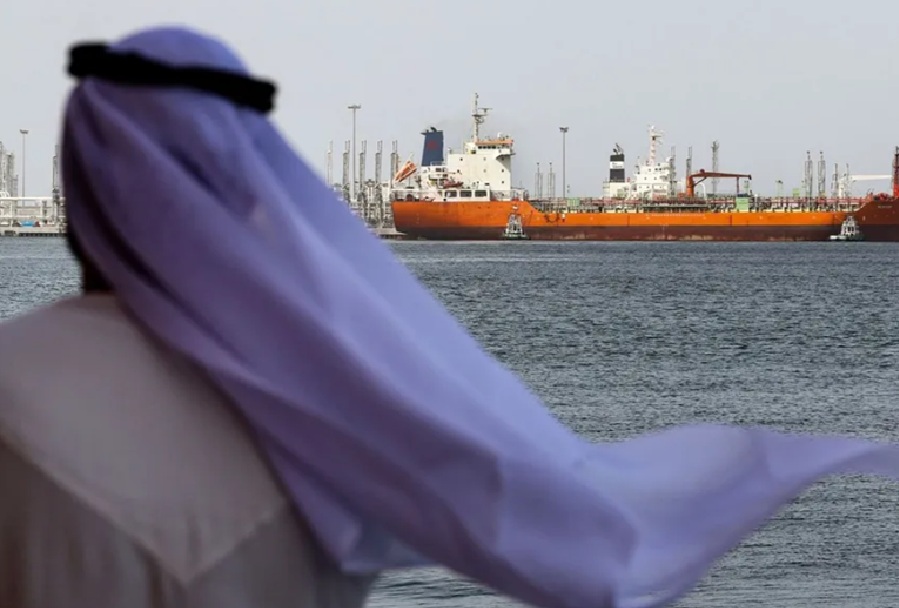
The United Arab Emirates (UAE) has been planning a major infrastructure strategy aimed at reducing its reliance on the Strait of Hormuz, after disruptions to the critical maritime chokepoint highlighted the vulnerability of Gulf trade and energy routes.
United Arab Emirates Minister of Foreign Trade Thani Al Zeyoudi said the country is working toward achieving “zero Hormuz dependency”, according to Bloomberg, as it seeks to strengthen alternative export routes and secure energy flows.
At the core of the plan is a significant expansion of the UAE’s eastern ports, including Dibba Port, Port of Fujairah and Khor Fakkan Port, which are located outside the Strait of Hormuz along the Gulf of Oman coast.
The UAE is also considering the construction of at least one additional harbor in the region, alongside the development of new pipeline, rail and road networks designed to connect eastern ports with oil and gas fields, as well as petroleum processing facilities.
As reported, the country already operates a 1.5 million-barrel-per-day pipeline linking its inland oil fields to Fujairah, allowing a portion of crude exports to bypass the Strait of Hormuz. In mid-May, the UAE announced plans to accelerate construction of a second pipeline that would double crude export capacity through Fujairah by 2027.
Further projects, including a potential third petroleum pipeline and additional infrastructure to support exports of petrochemicals, liquefied natural gas (LNG) and other energy products, are also under consideration.
The Strait of Hormuz remains one of the world’s most strategically important waterways, with around one-fifth of global crude oil and LNG shipments passing through it before recent regional tensions disrupted traffic. The UAE has repeatedly called for uninterrupted navigation through the Strait, describing it as essential to regional and global energy security, economic stability and trade.
The infrastructure push comes amid broader shifts in the Gulf’s energy landscape. To remind, in April, the UAE announced its withdrawal from OPEC and OPEC+, marking a significant development for the oil-producing alliance during a period of heightened uncertainty in global energy markets.
Robban Assafina is now on WhatsApp channel. Click Here


