Biogas produced from cow manure, fish waste and wood processing residue was used for the first time to power a platform supply vessel on the Norwegian continental shelf, significantly cutting CO2 emissions
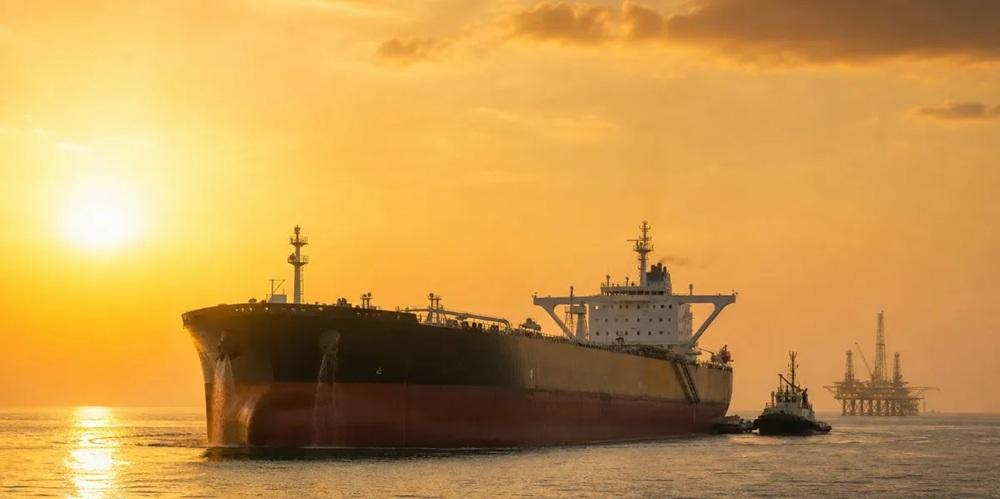
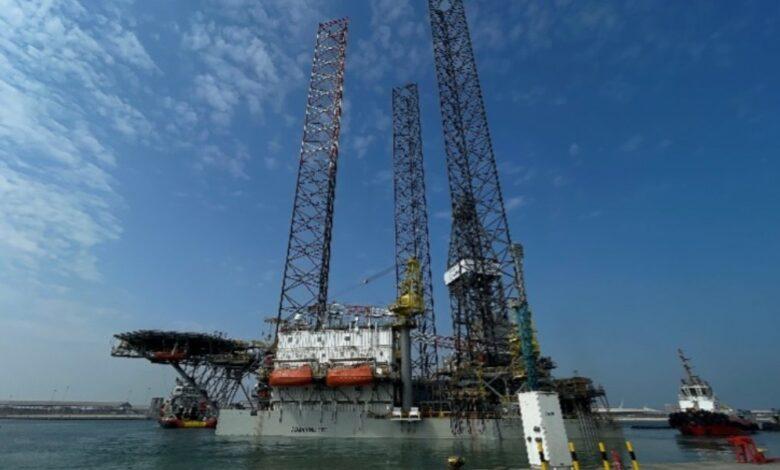
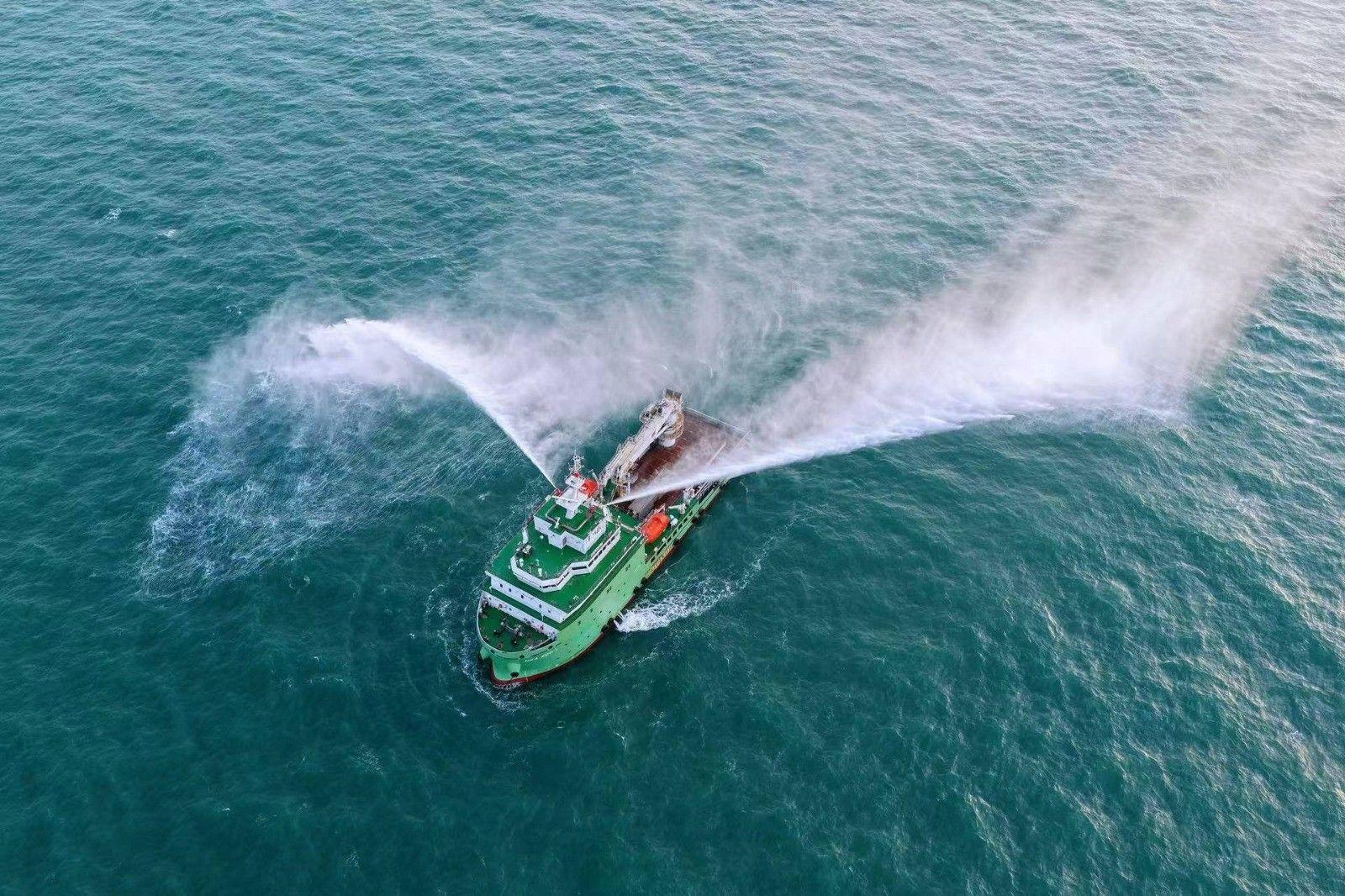
The pilot project, undertaken with energy company Lundin Energy Norway, involved refuelling Island Offshore’s LNG hybrid-battery platform supply vessel (PSV) Island Crusader with biogas supplied by Gasum.
“As well as giving us an immediate reduction in emissions, we demonstrated that conventional LNG vessels can run on biogas with absolutely no modifications and we can help open up a new market segment for biogas producers,” said Lundin head of procurement and logistics Johan Mohr.
Prior to using the carbon-neutral fuel, engine manufacturer Bergen Engines conducted tests on land and concluded that switching from fossil LNG to biogas could be made without making any modifications to the vessel.
“This means that all LNG vessels in use today can reduce the lifecycle emissions of their fuel to close to zero, simply by switching fuel,” added Mr Mohr. “There is a significant potential in the oil and gas industry, but also in all other areas where LNG vessels are in use.”
- Wärtsilä to support Carnival Corporation's strategy
- Seafarers Island Ship
- IMO Issues Guidelines on How to Monitor Ocean Plastic
- Shipping Industry Commits to Eliminating Single-Use Plastics in 2021
- Meet The World's First Black Woman Cruise Ship Captain
The biogas used in Island Crusader comes from a production facility in Trøndelag county in Norway, and is made from a mixture of cow dung, waste from fish processing and from the wood processing industry. Most of these are by-products of the production cycle, which have never before been refined into new products. This means the biogas does not contribute any additional greenhouse gas emissions other than what occurs naturally.
Since the raw material comes from biological material, the combustion is calculated as CO2-neutral as it enters the natural CO2 cycle.
Last year, Island Offshore reported the total consumption of LNG for Island Crusader was 1,502 tonnes, with associated CO2 emissions of 4,206 tonnes. By using biogas, the CO2 emissions will be eliminated.
The pilot aligns with Lundin Energy’s ambition of being carbon neutral by 2023, and the oil company is taking every opportunity to reduce emissions wherever possible, said Lundin managing director Kristin Færøvik. “When we saw this measure could become a reality, it was natural to test the concept. And it’s also fun that we are probably the first in the oil and gas sector to do this,” said Ms Færøvik.
There is not enough supply of biogas to power all vessels immediately, but plans to increase availability are underway at production facilities at multiple locations throughout Norway.
“Now we’re demonstrating that a market does exist for biogas for vessels. That can help accelerate these plans,” noted Ms Færøvik.
Island Offshore Management managing director Tommy Walaunet said the company was proud to partner with a forward-looking player like Lundin. “We believe in a step-by-step approach to zero emissions, and this requires close and good co-operation between the actors in the value chain and with the authorities. We are confident that this will also make our vessels more attractive in the market,” added Mr Walaunet.
Potential use in all LNG-fuelled vessels
As a point of departure, a supply vessel that runs on LNG gas is among the vessels with the lowest emissions of greenhouse gases. But a vessel that runs on LNG still emits around 4,000 tonnes of CO2 each year. A switch to biogas can eliminate practically this entire emission given the carbon-neutral nature of the fuel.

“It’s extremely positive that the oil and gas industry is stepping up and paving the way for use of biogas in vessels,” said Norwegian Shipowners’ Association chief executive Harald Solberg.
“This demonstration also illustrates a potential for emission reductions within all parts of the shipping industry where LNG vessels are used. A united international shipping industry has the ambition of becoming climate-neutral by 2050. If we are to achieve this goal, we need new zero emission technologies that won’t be accessible for a few years. The opportunities we are seeing now with biogas will help bridge the gap until then,” added Mr Solberg.
Source: Riviera