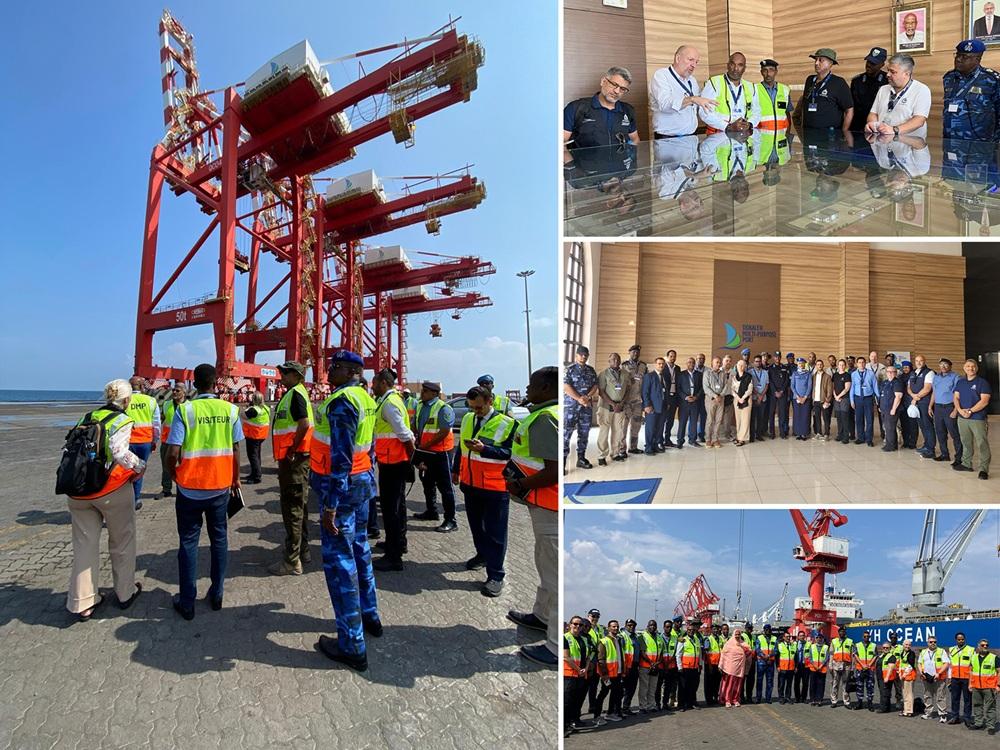
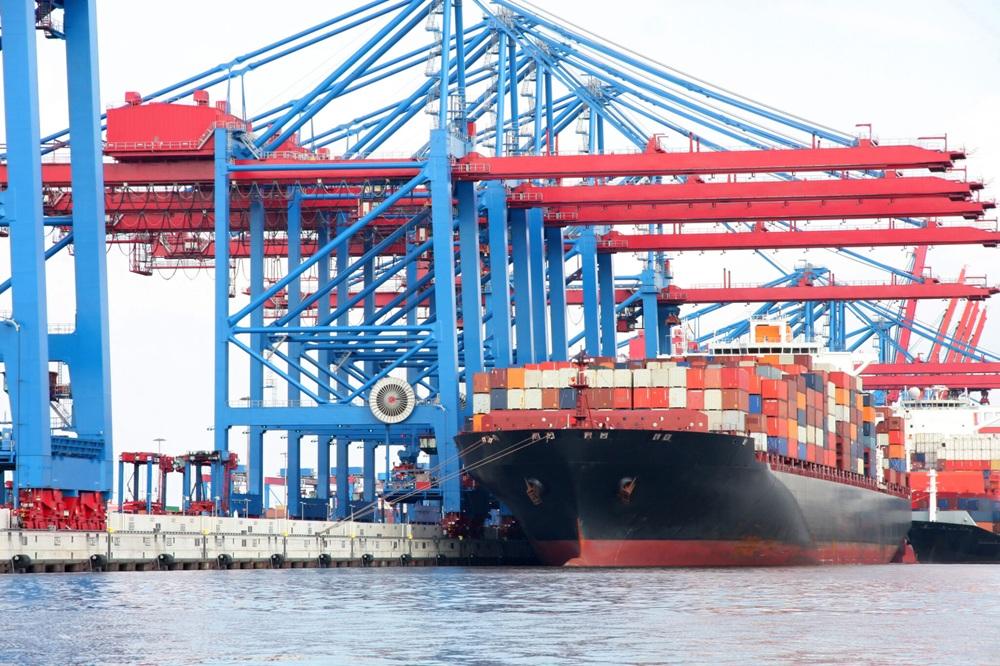
Handling around 20% of global seaborne trade (source: BostonFirstConsulting), Middle Eastern ports and terminals punch above their weight. They not only support the region’s huge oil and gas projects, but also the sizable container volumes which flow through the region via its numerous transshipment hubs.
Thanks to significant levels of investment, professional management teams and ambitious visions, they have underpinned the Middle East’s economic growth story of the past decade. They are highly efficient, have implemented innovative digitisation programmes and always put safety first. They are in turn supported by a first-class community of services businesses, including port agents, marine services, bunkering, spares and crew services providers.
But for most vessel operators trading in the region, the ability to compare port tariffs accurately is still difficult to achieve.
Demystifying port tariffs is an important part of Harbor Lab’s work. My company is part of the next wave of digitalisation for the shipping company’s back office.
Technology is continuously changing the way shipping operates: it reduces administration, offers less opportunity for human error, streamlines processes and enables faster services. At Harbor Lab we have identified a way to digitalise functions carried out by vessel ship operators across various key departments within ship management companies including operations, disbursements and chartering.
Traditionally an administrative-heavy function, port disbursements accounting relies on the local knowledge of the ship’s agent to organise the myriad of fees payable during a vessel’s time in port.
- Greek tech start up signs 300th vessel to cloud-based disbursements tool
- e5 Lab and ClassNK sign joint research agreement on cyber security
- Nautilus Labs and TotalEnergies expand emissions reduction project
- Saudi Arabia requires copy of forwarder’s license
- Inchape : World of Ports 2.0, a new era of efficient data
It is the agent with local knowledge who handles payment of bunker, port, tug and pilot fees, spare parts, and any other sundries required by the vessel, the captain and his crew whilst in port. This experience remains invaluable to the vessel operator and can never be replaced.
However, the process of selecting, nominating or appointing an agent comparing their rates and evaluating the port costs is one aspect of back-office procedures that is ripe for improvement. In the Middle East where accurate port tariffs are difficult to obtain, our software reduces administration and costs, creates transparency in transactions and increases process efficiency.
Harbor Lab has created a suite of online tools that bring transparency to disbursement processes. Our Disbursements Accounting (DA) Tool provides operators and charterers with actual port costs instantly. Traditionally these costs are sought through numerous emails and repeated phone calls between the operator and agent, leaving complex communication trails in their wake.
Data and calculation methods are gathered and validated directly from ports around the globe by our team of port analysts. These are then digitalised through Harbor Lab’s online platform that is built on dynamic programming techniques and sophisticated formulae. The cloud-based software has already attracted 1200 agents and vendors since it went live last year.
DA Tool is further supported by our recently-launched Port Cost Estimator that in seconds gives an approximate cost for port expenses at a specific vessel port call.
Technology in all its forms - digitalisation, automation and electronic data exchange - is popping up across the shipping landscape bringing transparency and visibility to the industry’s activities, making it less opaque and more accessible.

Regional and international regulators recognise this and are using technology to create more simplified and transparent procedures. Since 2019, data exchange between the port and ship is required in an electronic format as mandated by IMO’s updated Facilitation of International Maritime Traffic (FAL Convention). At its most recent meeting in June the committee also made it mandatory for public authorities to establish and maintain a ‘single window’ for electronic exchange of information for the stay, arrival and departure of ships in ports.
The digitalisation of disbursements accounting is a logical next step in an already tech-heavy shipping environment and fits in well with the Middle East’s drive to use technology to gain a competitive edge.
The region’s many ship managers, vendors and agents can use Harbor Lab technology to re-establish the operator/agent relationship to save money, time and gain a competitive advantage.
Author: Antonis Malaxianakis, CEO and founder, Harbor Lab