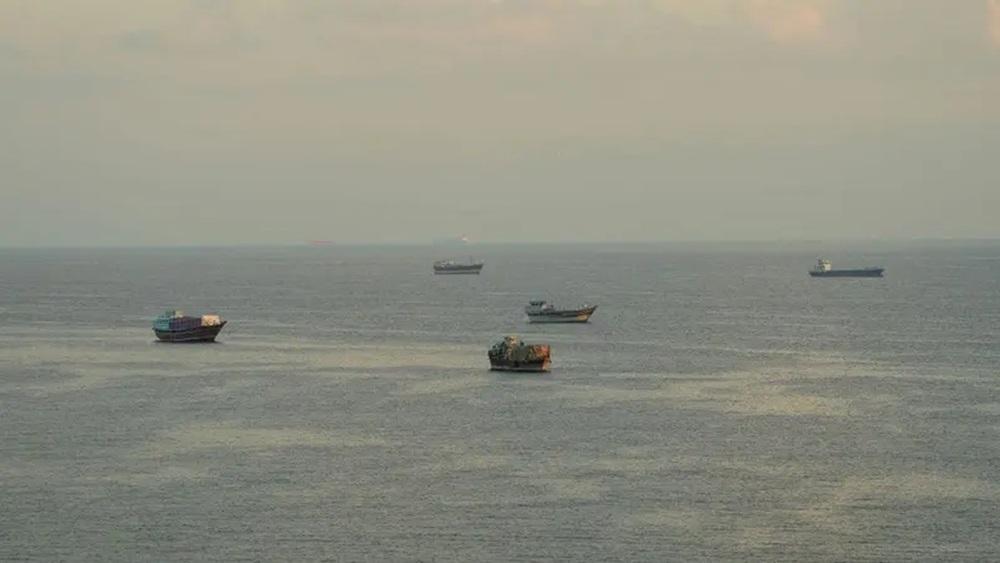
A new study reveals the Covid pandemic and subsequent port congestion and increased vessel idling, coupled with warming waters means ships are at increased risk from biofouling.
The study from Swedish technology company I-Tech also shows the adverse effect that ship hull fouling has on vessel performance and that it gives rise to significant financial and environmental penalties for the shipping industry due to the increase in fuel consumption and carbon dioxide emissions.
- Pioneering tanker move from Monjasa in Panama canal
- ADIPEC: Oil and Gas Operators to Work More Closely With Suppliers
- Intercargo: 53 bulk carrier incidents in first two months of 2021
- CMA CGM makes the decision to stop all spot rate increases
- FIATA and TT Club reveal this year’s regional winners of YIFFYA
The study shows over 40% of the vessels surveyed had a barnacle fouling coverage on the hull of more than 10%. This level of biofouling could be responsible for at least 110m tonnes of excess carbon emissions.
Only a few premium coatings offer guarantees based on 30 days idling and the vast majority may stop after 14 or 21 days. However, the study has proven that it is not uncommon for a vessel to be idling for more than 30 days, and in some cases even longer than 45 days.

With the industry still facing its looming IMO greenhouse gas reduction targets and the impending introduction of EEXI and CII for existing ships, these findings should serve as a reminder that a clean hull should be the first step of a fleet’s decarbonisation strategy according to I-Tech’s CEO, Philip Chaabane.
Source: Splash 247