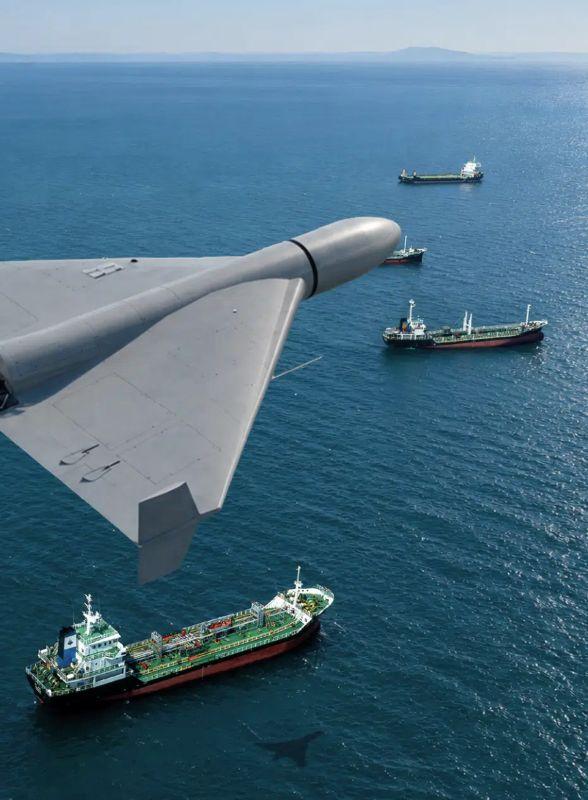
Recent events in the Red Sea and the Strait of Hormuz have demonstrated how quickly the distinction between a security incident and a marine casualty can disappear. A drone sighting, missile strike, suspicious approach or unexplained explosion may initially be treated as a security issue. Within hours, however, the focus often turns to damage assessment, evidence preservation, insurance notifications and the protection of legal rights.
At that point, what started as a security incident has effectively become a marine casualty.
The first 48 hours matter
In the immediate aftermath of any such hostile incident, a master’s focus will rightly be on the safety of the vessel, crew and cargo. However, once the immediate threat has been addressed, shipowners should recognise that the first 24 to 48 hours are often critical from both an insurance and liability perspective.
Decisions taken during this period frequently determine how effectively claims arising from the incident, whether in tort or in contract, can be pursued, defended or recovered many months later. While lawyers, insurers and technical experts can assist subsequently, no amount of hindsight can recreate evidence that has been lost in the immediate aftermath of an event.
Preserve the evidence
Modern casualty investigations are increasingly data-driven. Prompt action should therefore be taken to preserve all available electronic records, including:
- VDR data
- ECDIS tracks
- AIS data
- Relevant communications with shore management, third parties including authorities and coastal states
- Messages and communications exchanged through personal devices or applications such as WhatsApp, Signal, Teams and text messaging, where these relate to the incident or its aftermath.
One recurring issue is the assumption that electronic records will remain available indefinitely. In reality, VDR data may be overwritten and critical evidence lost unless prompt preservation steps are taken.
The same applies to photographs, videos and records of physical damage. What appears obvious immediately after an incident may become a point of dispute once repairs have commenced and the vessel has resumed trading.
Crew statements: Facts before conclusions
Crew evidence is often among the most valuable evidence available following a security incident. Equally, it can become problematic if not managed carefully.
There is often a natural temptation to explain what happened, particularly where crew members have experienced an unusual or potentially traumatic event. However, contemporaneous statements are generally strongest when they focus on factual observations rather than assumptions. What was seen, heard or experienced will usually carry greater evidential value than speculation as to whether a particular object was a drone, missile or other threat.
As with traditional marine casualties, consistency between crew accounts and contemporaneous records can become highly significant if liability issues later arise.
Notification obligations
Security incidents often trigger multiple insurance and contractual notifications.
Depending on the circumstances, a shipowner may need to notify P&I insurers, H&M and War Risks underwriters, charterers, cargo interests and other stakeholders with a direct interest in the vessel or cargo. Whilst the precise requirements will vary from case to case, delay will rarely improve a shipowner’s position.
Early engagement with insurers and legal advisers can assist in identifying relevant obligations while investigations remain ongoing. Importantly, shipowners should avoid waiting until every fact has been established before making initial notifications.
When insurance issues begin
One of the occasionally challenging aspects of assessing modern security incidents is drawing the distinction between war risk and ordinary marine risk cover.
Consider a situation where a vessel takes evasive action following a perceived threat and subsequently suffers machinery damage, cargo contamination, cargo shifting or even a collision. Questions may then arise regarding causation, allocation of liability and the engagement of different insurance covers.
These scenarios are rarely not always straightforward and often depend heavily upon the factual evidence gathered during the first stages of the response.
The interplay between war risk and P&I insurance was addressed in a Circular issued by the Club earlier this year.
Managing the narrative
Shipowners should also remember that multiple stakeholders may seek information shortly after an incident. Charterers, cargo interests, coastal authorities and the media may all request updates before the facts are fully understood.
The challenge is to remain transparent while avoiding premature conclusions. Experience shows that an early narrative, once communicated to counterparties or authorities, can become difficult to correct even where subsequent investigation reveals a more nuanced picture.
A measured, evidence-based approach is therefore essential. Whilst an item for Members, the Club can provide contact details for consultancies who can assist with managing information disclosure to the media.
Conclusion
There is no single moment at which a security incident becomes a marine casualty. In practice, the transition occurs when issues of damage, delay, liability and evidence preservation begin to arise.
For shipowners operating in high-risk areas, the key lesson is simple: treat the aftermath of a hostile incident with the same discipline as any other major casualty. Preserving evidence, managing communications and complying with notification requirements during the first 24 to 48 hours can significantly strengthen a shipowner’s position long after the immediate threat has passed.
Robban Assafina is now on WhatsApp channel. Click Here