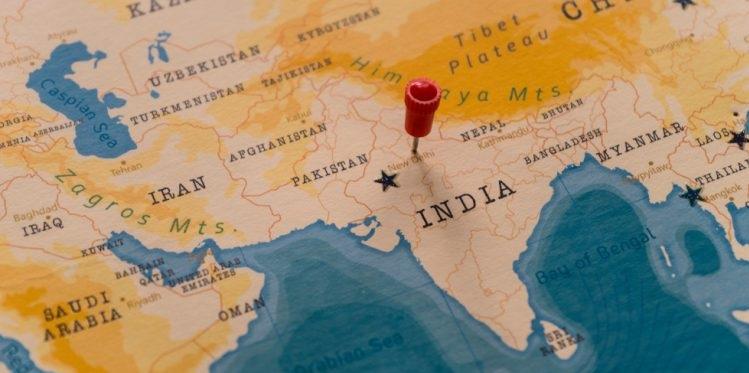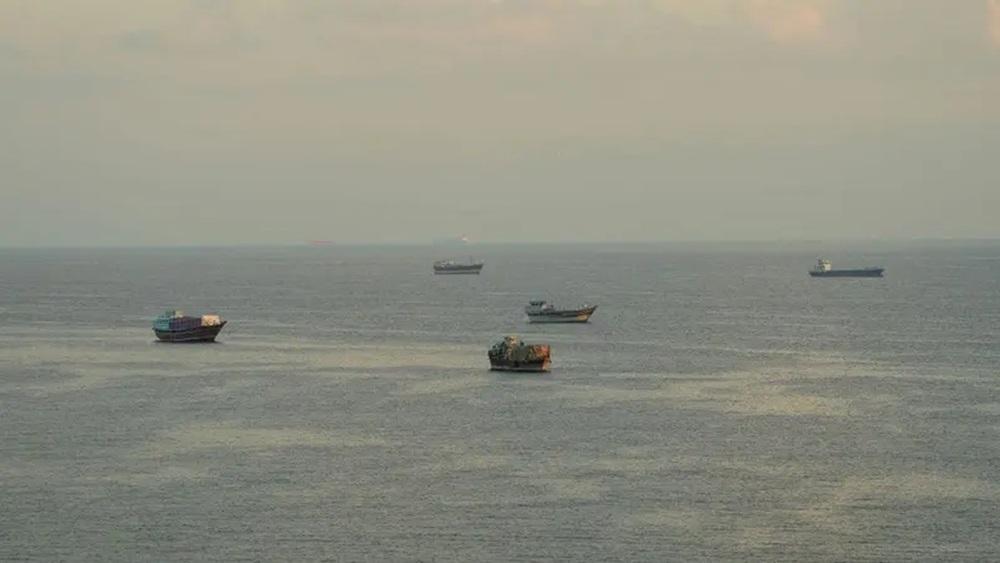
Some shippers caught between high jet fuel prices and congestion in vital Middle East waterways are now looking for transport routes in unexpected places, with a recent ceasefire between Iran and the United States unlikely to offer quick relief.
Clients that once moved electronics and other fast-selling consumer products from Asia to Europe through Middle East hubs are now going so far as to transport their goods by ship and plane via Los Angeles to secure lower rates, one U.S. freight forwarder said.
"It's a lot faster than going by ocean around (the southern tip of Africa), but much, much cheaper than doing air direct," Flexport CEO Ryan Petersen said.
The cost to ship air cargo has soared due to strong demand and high jet fuel prices in the wake of Iran's continued blockage of the vital Strait of Hormuz shipping corridor.
According to WorldACD Market Data, air cargo capacity to the Middle East has shrunk by more than 50% on an annual basis over the last two weeks.
Meanwhile, air cargo rates on long-term contracts from Vietnam to Europe have almost doubled to $6.27 per kilogram, compared with before the war, Flexport said.
By contrast, rates for Los Angeles to Paris air cargo are up only 8% as airlines add more passenger flights due to strong demand, opening up belly capacity for cargo.
"We could see a bump if trade disruptions persist in the Middle East," said Noel Hacegaba, CEO of the Port of Long Beach, which is part of the busiest U.S. seaport complex in Los Angeles.
Global air cargo capacity, once expected to grow by 5.5% this year, has so far fallen 1% due to the Iran conflict that started in late February, said Marco Bloemen, managing director of consulting firm Aevean.
How the year turns out will depend in part on the restoration of the major Gulf carriers' widebody passenger aircraft, which account for roughly half of the region's air cargo capacity, he said.
Niall van de Wouw, chief air freight officer at transportation pricing platform Xeneta, said a delayed recovery in tourism to the Gulf after the fighting ends could lead carriers to cut passenger capacity, which would impact air cargo.
"Gulf carriers such as Emirates and Qatar Airways operate some of the world's most important air freight networks," he said.
British Airways said on Thursday it would cut flights to the Middle East when services resume, in a sign that heightened regional tensions would weigh on demand.
Dedicated cargo companies like UPS (UPS.N), opens new tab are still operating in the region using "contingency plans" as their pilots are not currently flying to hubs like Dubai.
Third-party charter aircraft have moved in to pick up some of the flying but jet fuel supplies are expected to remain tight and costly for months.
"The major issue for everyone is the massive hike in fuel prices," said Dan Morgan-Evans, group cargo director at Air Charter Service.
A client of AIT Worldwide Logistics spent at least five to six times more to move oil drilling equipment bound for Saudi Arabia by air and truck after its planned ocean voyage from Houston was canceled due to the war, said Ryan Carter, the freight forwarder's Americas executive vice president.
Still, many companies feel they have no choice but to pay extra to ship by air.
"Sometimes the cargo just has to move," Morgan-Evans said.
Source: Reuters
Robban Assafina is now on WhatsApp channel. Click Here