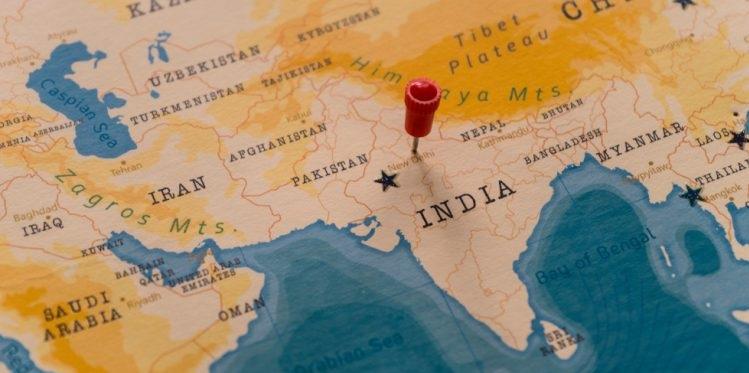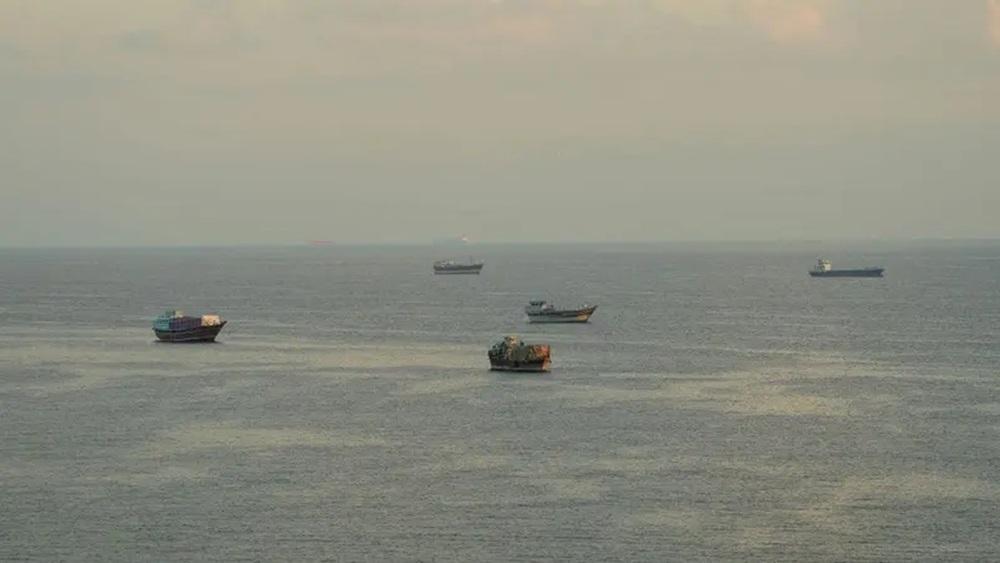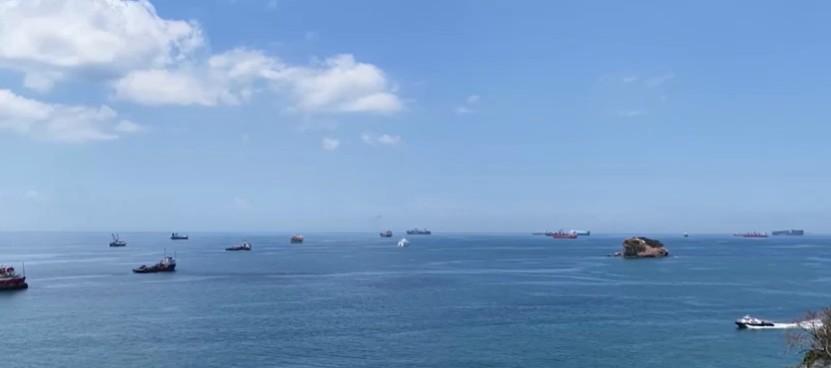
The closure of the Strait of Hormuz due to the US-Israeli war on Iran and its repercussions directly affected maritime traffic around the world, and hundreds of oil tankers and cargo ships began searching for a safe way to complete their journey.
These ships recorded longer distances, higher costs, and more waiting days in front of the Panama Canal, which is one of the narrowest major sea lanes in the world.
Each tanker and ship wishing to cross the canal pays fees of up to $1 million in advance booking, and this amount can increase significantly if an auction system is used, driven by an increase in transit requests as a result of the disruption to navigation in the Strait of Hormuz.
According to a report by Al Jazeera correspondent Anas Al-Sabbar, an official at the Panama Canal confirms an increase in shipping traffic through the canal in recent months, with the average number of ships rising from 36 to 42 per day. The official adds that this increase means additional resources without sacrificing the quality of service.
The tanker completes its journey through the canal in a period of between 8 and 10 hours, thanks to a precise engineering system that takes into account the water levels between the two ends of the canal. This system secures the movement of 5% of the world’s maritime trade annually.
Increasing movement
Another official at the Panama Canal points to a significant increase in the movement of liquefied gas tankers and other types of fuel, describing the canal as having become a "safe and neutral route," noting that most of the oil refinery imports in Japan used to come from the Middle East, but now they are increasingly dependent on the United States.
The Panama Canal's revenues are rising this year due to increased demand, after the canal generated profits of about $3 billion last year. The current crisis underscores the importance of straits and waterways, and illustrates the fragile interdependence of the global maritime transport system.
According to the report, this reality explains the renewed struggle for influence over the world’s economic and security joints, where waterways are turning into strategic pressure points, and the Panama Canal is proving itself to be a safe alternative that is increasingly in demand, while gas and oil tankers are heading west towards America instead of crossing the disrupted Strait of Hormuz.
Source : Al Jazeera
Robban Assafina is now on WhatsApp channel. Click Here