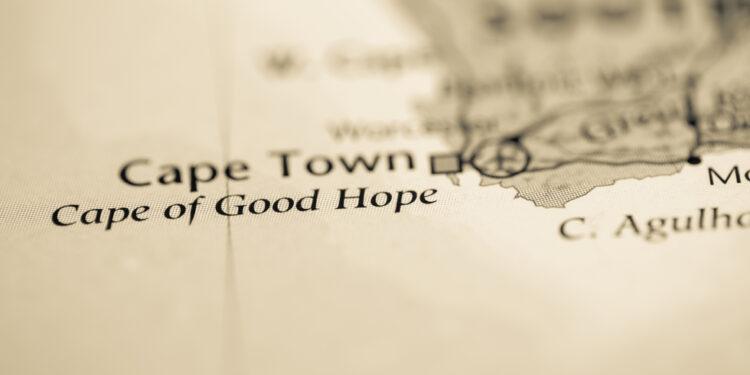
Around 20.4% of global dry bulk cargo volumes were transported via the Cape of Good Hope in the first half of 2026, according to an analysis by URSA Shipbrokers based on data from AXSMarine.Between January and June 2026, bulk carriers transported approximately 2.86 billion tonnes of cargo worldwide, of which 583.5 million tonnes passed around the Cape of Good Hope.
The share represents a marginal increase from 20% during the corresponding period in 2025 but remains significantly above the levels recorded before disruptions to shipping in the Red Sea.
Cape route maintains elevated share of dry bulk trade
According to URSA Shipbrokers, the proportion of dry bulk cargo volumes transported via the Cape of Good Hope ranged between 12.9% and 14.8% during 2015–2023. The share increased to 19.1% in 2024, following the onset of attacks against commercial vessels in the Red Sea.
By the first half of 2026, the proportion had reached 20.4%, indicating that the Cape route continues to account for a substantially larger share of global dry bulk cargo movements than before the Red Sea disruptions.
Although the year-on-year increase was limited to 0.4 percentage points, the figures illustrate the continued importance of the route for international dry bulk transportation.
Changing traffic patterns at major maritime routes
The analysis also identifies changes in dry bulk cargo movements through other major shipping passages. According to URSA Shipbrokers, cargo volumes passing through the Strait of Malacca accounted for 19.8% of the global dry bulk total during the first half of 2026, based on the same measurement approach.
Meanwhile, the shares associated with the Panama Canal, Suez Canal and Bosporus remained below their 2023 levels, reflecting changes in shipping patterns amid geopolitical disruptions and climate-related constraints.
Implications for dry bulk shipping
The sustained use of the Cape of Good Hope highlights the continuing influence of geopolitical developments on global dry bulk trading routes.
For shipowners and operators, longer voyages can affect voyage planning, fuel consumption, vessel availability and operating costs, while also influencing tonne-mile demand across the dry bulk market.
However, the reported figures measure the share of cargo volumes transported through specific routes and do not, by themselves, establish changes in vessel numbers, freight rates or the operational reasons behind individual routing decisions.
The latest data indicate that the Cape of Good Hope remains a significant route for dry bulk shipping, even as its share of global cargo movements has changed only marginally compared with the first half of 2025.
Source: Safety4sea
Robban Assafina is now on WhatsApp channel. Click Here