China's Ministry of Industry and Information Technology released the latest data on China's shipbuilding sector on Sunday, revealing that the Chinese shipbuilding industry maintained its leading global position last year. Meanwhile, the pace of intelligent transformation within China's shipbuilding industry is accelerating.
At the Shanghai Shipbuilding Group shipyard, the completion rate of the second domestically built large cruise ship, "Ada - Flower City," exceeded 91%. Compared to the first domestically built large cruise ship, the construction time was shortened by about 8 months.
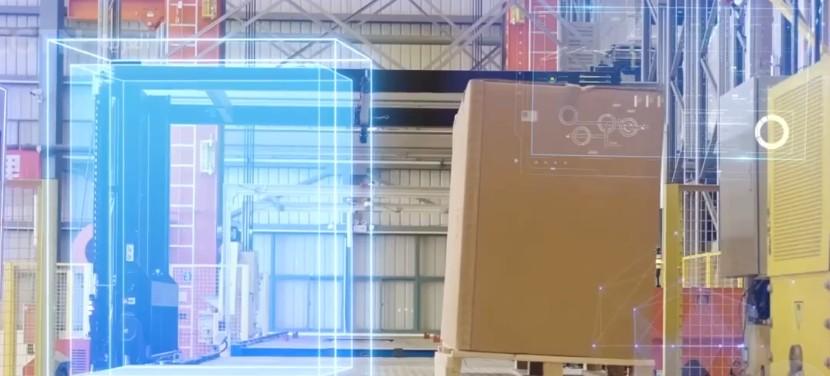
How were these eight months managed? In a warehouse not far from the shipyard, a shipment of interior fittings for the cruise ship had just arrived. Automated conveyor belts and robots immediately got to work, storing the materials in the warehouse, all in less than four minutes.
Behind this seamless process stands an "artificially intelligent brain" that guides and schedules the entire operation. Compared to traditional methods, AI-powered, self-scheduled production plans have boosted the workshop's productivity by 25%.
Artificial intelligence has helped overcome the challenges posed by the complexity of shipbuilding processes and the diversity of materials, leading to a complete transformation of the entire operation. In the future, the benefits will extend beyond large, domestically built cruise ships to encompass all types of vessels, from design and sourcing to production and logistics, as AI will connect all stages, and every employee will work alongside a "digital employee."