
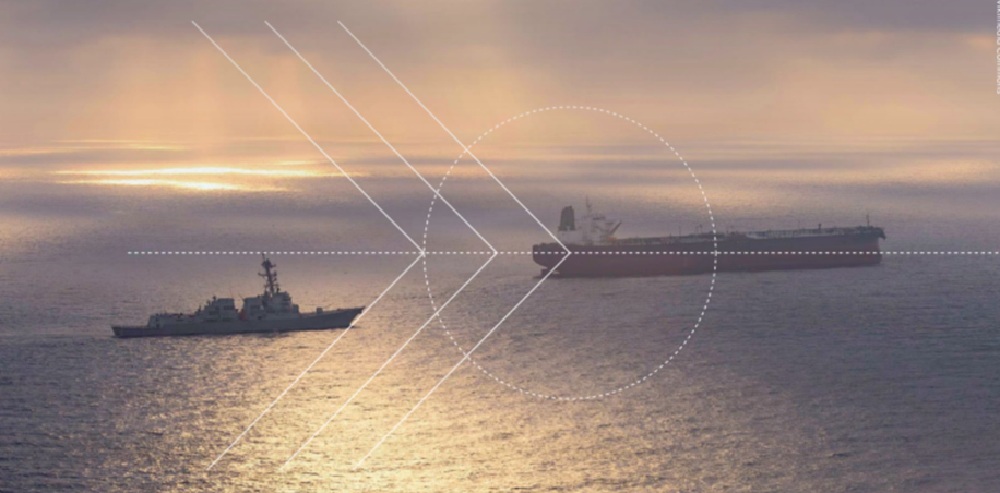
Geopolitical tensions and the closure of the Strait of Hormuz are accelerating a fundamental shift in global shipping, according to Allianz Commercial. In its Safety and Shipping Review 2026, the insurer says the disruption of key maritime corridors is ushering in a "new maritime order," with heightened security risks, persistent trade uncertainty, rising risk premiums, and an increased focus on supply chain resilience over cost efficiency.
Despite the long-term improvement in the industry’s safety record, loss spikes have continued to occur; while looking forward, the reshaping of sector forces is set to persist. The 2025 Safety and Shipping Review said that the “the relevance of political risk and conflict as a potential cause of maritime loss is increasing with heightened geopolitical tensions”. Today, the industry appears to be more risk-exposed in this area than at any point in recent decades.
"Our analysis shows the shipping industry has made significant improvements in maritime safety in recent years. However, it has also undergone a fundamental transformation, from decades of relative stability, defined by steady trade flows and largely predictable operating conditions to becoming increasingly complex and volatile."
… explained Thomas Lillelund, CEO of Allianz Commercial, adding that the Middle East conflict and Strait of Hormuz closure is just the latest in a series of severe interruptions to hit shipowners and cargo operators. Resilience, geopolitics, and efficiency must be balanced in an increasingly unpredictable world, where the cost of uncertainty is reshaping the shipping industry.
Strait of Hormuz disruption highlights importance of maritime chokepoints
The conflict in the Middle East paralyzed the Strait of Hormuz, a critical global oil trade route. Allianz Research data shows that around 1,150 cargo-carrying vessels (over 100GT) with an estimated vessel and cargo value of approximately $125 billion, a volume of 29 million GT, and as many as 20,000 seafarers are in the Persian Gulf waiting to resume operations following recent diplomatic breakthroughs.
This underscores the structural importance of maritime chokepoints and how critical they are for shipping and international trade, while also highlighting the severe disruptions to vessel operations and mental strain that has been placed on those seafarers who have endured months on board facing the threat of attack.
Robban Assafina is now on WhatsApp channel. Click Here


