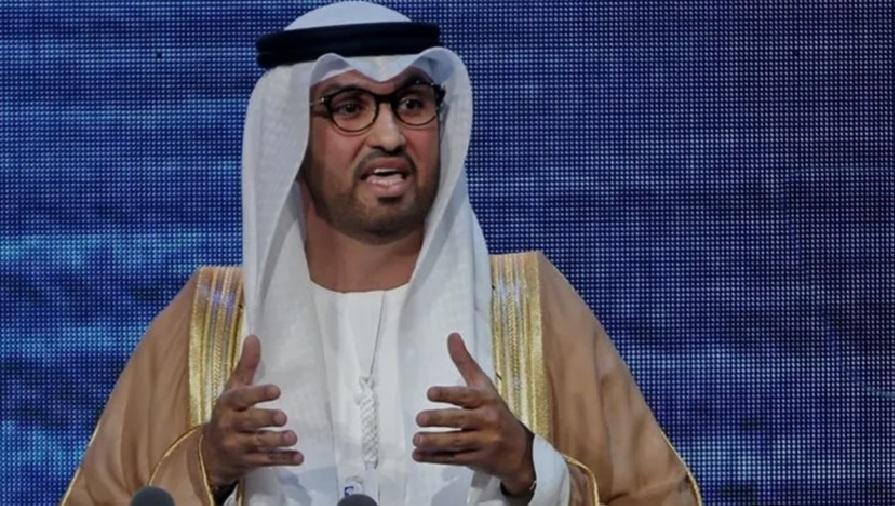
Dr. Sultan Jaber, CEO of ADNOC, called for the immediate and unconditional reopening of the Strait of Hormuz, emphasizing that access to the strategic waterway is currently restricted and controlled, said on Thursday in a post on LinkedIn.
“This moment requires clarity. Let’s be clear: the Strait of Hormuz is not open. Passage is being restricted, conditioned, and controlled,” Jaber said, highlighting Iran’s recent statements and actions that have subjected transit to political leverage. “That is not freedom of navigation. That is coercion.”
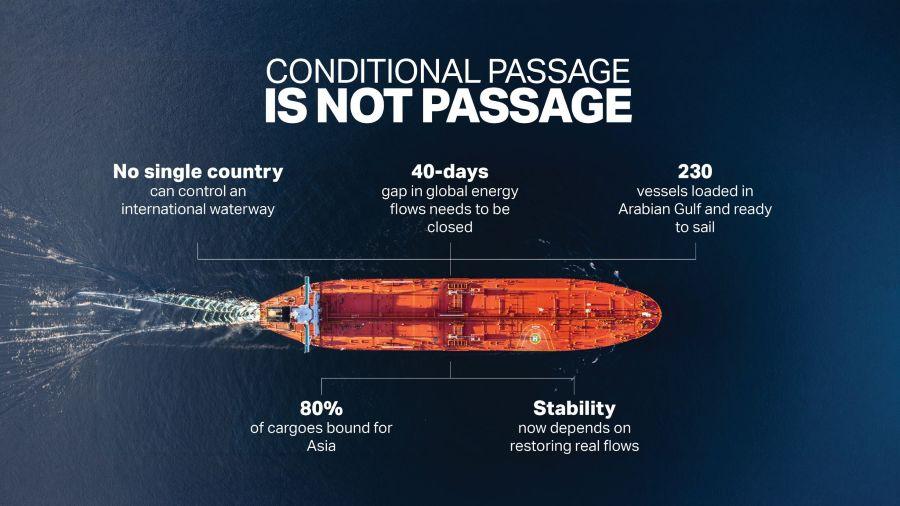
The CEO stressed that the Strait is a natural passage governed by the United Nations Convention on the Law of the Sea, which guarantees transit as a right, not a privilege. “Conditional passage is not passage. It is control by another name,” he added.
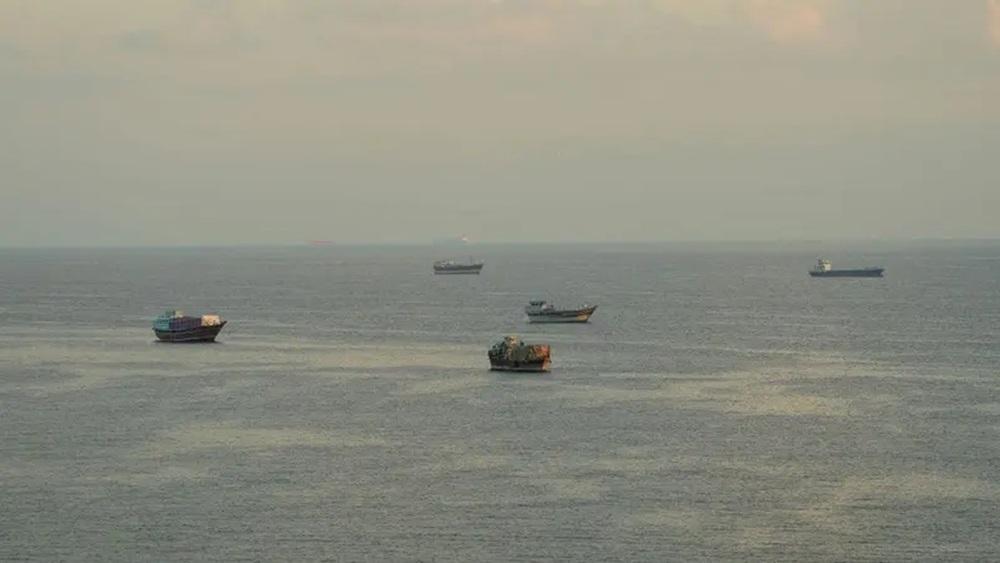
Jaber warned of the broader economic consequences, noting that around 230 vessels loaded with oil are ready to sail, yet remain constrained. “Every vessel must be free to navigate this corridor without condition. No country has a legitimate right to determine who may pass and under what terms,” he said.
ADNOC is actively working to restore production where possible, despite damages to infrastructure. “We have a responsibility to our customers and partners to move cargoes, as long as the safety of our people is ensured,” Jaber noted.
He highlighted the impact on global energy markets, pointing out that a 40-day gap in energy flows through the Strait is exposing vulnerabilities in supply. “The immediate priority is clear: close that gap, restore more than 20% of globally traded energy, rebalance markets, and ease pressure on prices and cost of living,” Jaber said.
The UAE has reiterated that Iran must be held accountable for the recent attacks on UAE civil and energy infrastructure. “Stability now depends on restoring real flows, not partial access, not temporary measures, not controlled passage, but full and reliable supply,” Jaber concluded.
Every day that restrictions remain in place, he warned, compounds the economic disruption, affecting markets, industries, and households worldwide, particularly in Asia, which receives 80% of these cargoes.
Robban Assafina is now on WhatsApp channel. Click Here